 Garage Doors / Overhead Doors
 Loading Docks
 Repair & Maintenance


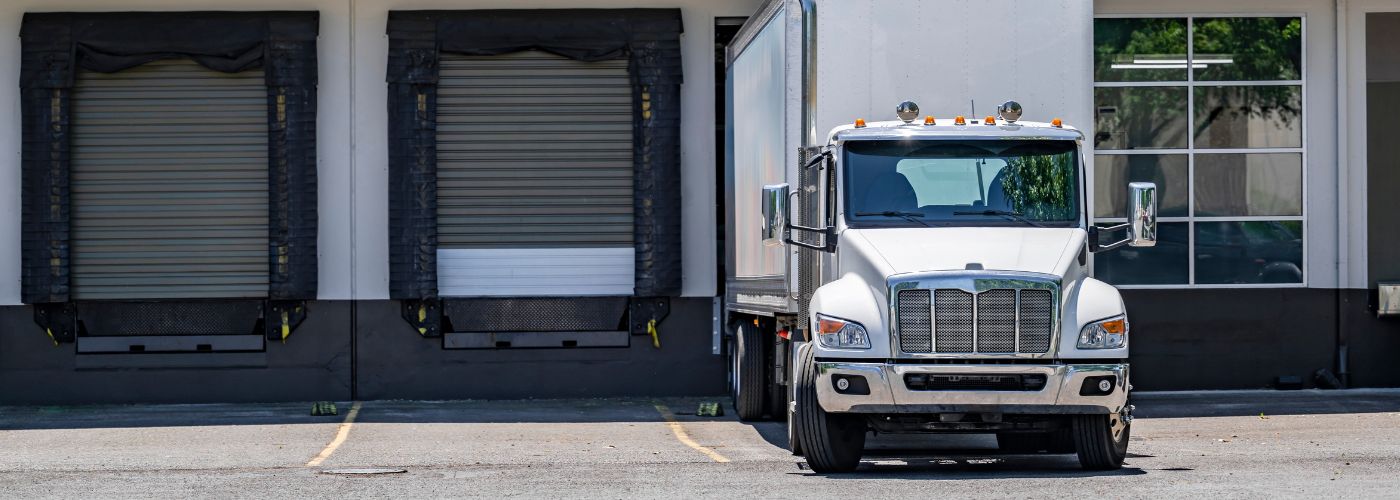
Dock levelers play an important role in keeping loading docks efficient, safe, and productive. Different systems are designed to fit different warehouse needs, budgets, and daily workloads.
This article goes over the key differences between hydraulic, mechanical, and air-powered dock levelers and explains how each system works in real-world loading environments.
Main Differences Between Hydraulic, Mechanical, and Air-Powered Dock Levelers
The main differences between hydraulic, mechanical, and air-powered dock levelers come down to how they operate, how much maintenance they require, and how well they handle daily loading demands. Hydraulic systems rely on powered cylinders and fluid pressure to raise and lower the deck.
Mechanical models use springs and manual pulling mechanisms, while air-powered systems use inflatable airbags to lift the platform. Each option offers unique advantages depending on the size of the facility and the amount of traffic moving through the dock each day.
Many warehouses choose their equipment based on durability, ease of operation, and long-term operating costs. Hydraulic models are often selected for heavy-duty applications because they provide smooth movement and dependable performance. Mechanical systems are commonly found in facilities with lighter traffic because they cost less upfront.
Air-powered units are popular in locations looking for a balance between lower maintenance and powered assistance. Choosing the right dock equipment can improve worker safety, reduce loading delays, and help prevent expensive equipment damage over time.
How Hydraulic Systems Deliver Smooth and Consistent Operation
When discussing the differences between hydraulic, mechanical, and air-powered dock levelers, hydraulic systems are often considered the most advanced option. These levelers operate using hydraulic cylinders filled with fluid that control the movement of the deck and lip.
With the push of a button, operators can quickly position the leveler without heavy physical effort. This smooth movement makes hydraulic units ideal for warehouses handling large shipments throughout the day.
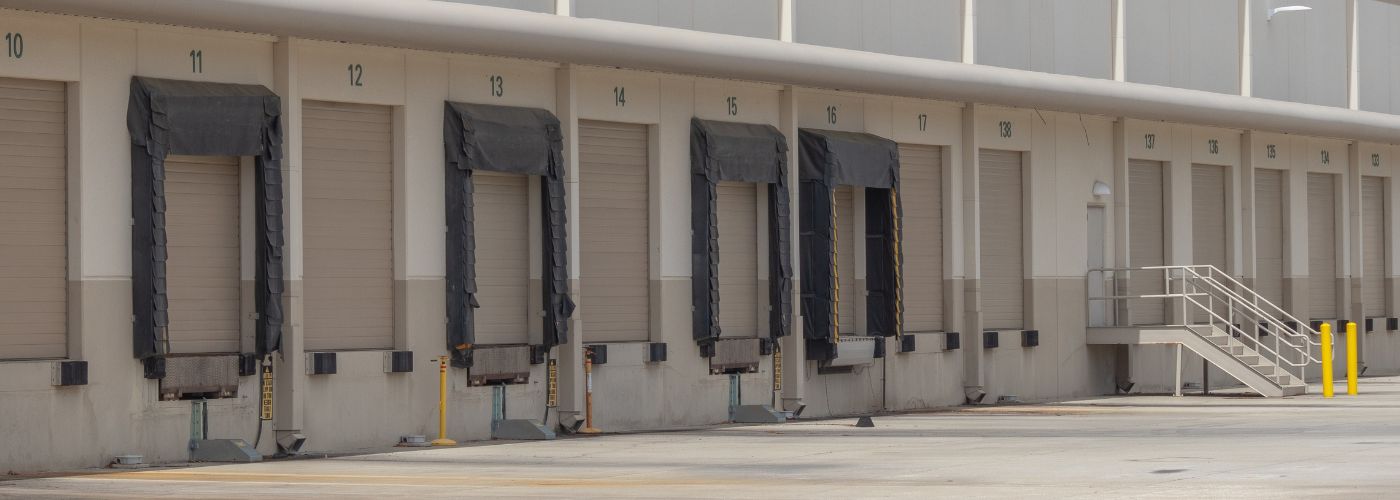
Hydraulic dock levelers are known for their reliability in high-volume facilities. Since the system uses powered components instead of heavy springs or manual lifting, there is less strain placed on workers during operation.
Many hydraulic systems also include automatic safety features that keep the deck stable during loading and unloading. Facilities that operate around the clock often prefer hydraulic levelers because they help reduce downtime and improve loading speed during busy schedules.
Simplicity Behind Mechanical Dock Levelers
One of the most noticeable differences between hydraulic, mechanical, and air-powered dock levelers is the simplicity of mechanical systems. Mechanical dock levelers operate using a spring-loaded mechanism combined with a pull chain or release handle.
Workers manually activate the system, allowing the deck to rise before positioning the lip onto the trailer bed. Because these systems do not rely on powered motors or hydraulics, they are often considered a basic and cost-effective option.
Mechanical levelers are commonly used in smaller warehouses or facilities with limited dock traffic. Their lower purchase cost makes them appealing for businesses trying to reduce upfront expenses.
However, operating these systems usually requires more physical effort from workers, especially when compared to powered hydraulic or air-assisted models. Over time, the constant tension placed on the springs can also lead to wear that requires regular adjustments or repairs.
While mechanical dock levelers are dependable for certain applications, facilities with frequent loading activity may find the manual operation slower and more demanding for employees.
How Air-Powered Levelers Use Compression for Movement
Another important point in understanding the differences between hydraulic, mechanical, and air-powered dock levelers is how air-powered systems function. These levelers use an inflatable airbag system instead of hydraulic cylinders or heavy springs.
When activated, the airbag fills with compressed air, lifting the dock platform into position. Once the deck reaches the correct height, the lip extends to connect with the trailer.
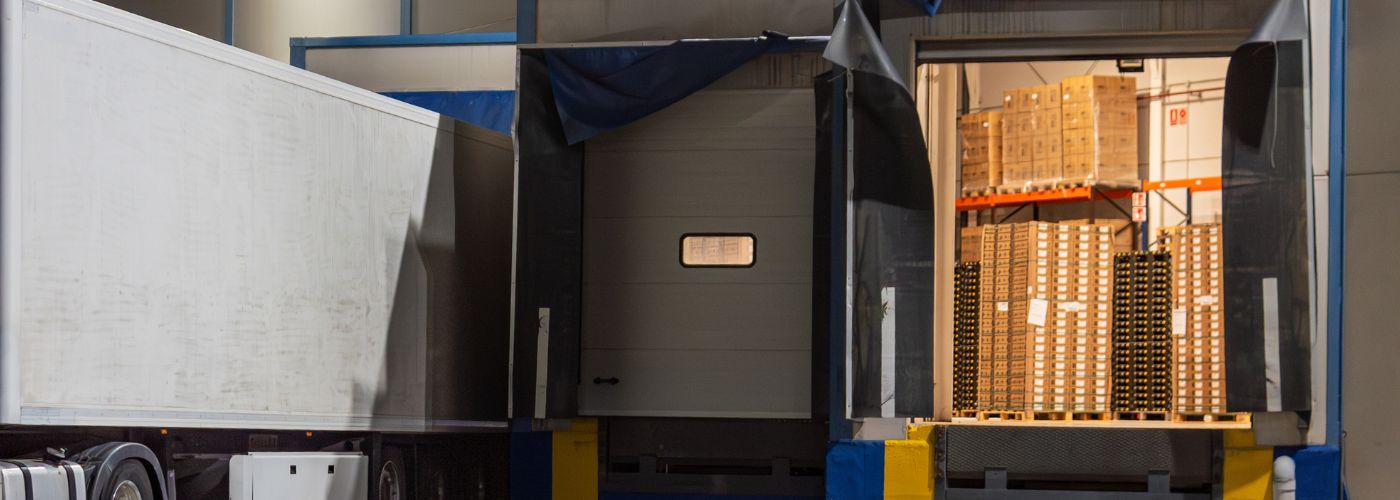
Air-powered dock levelers are often viewed as a middle-ground solution between mechanical and hydraulic systems. They provide powered assistance without relying on hydraulic fluid, which can reduce concerns about leaks or fluid maintenance.
Many warehouse operators appreciate the quieter operation and smoother lifting compared to mechanical systems. Because there are fewer moving parts involved, some facilities also experience lower maintenance needs over time.
These systems can still deliver reliable performance for medium to high traffic loading docks. However, air-powered units depend heavily on the condition of the airbag and blower motor.
If either component fails, the leveler may not operate properly until repairs are completed. Businesses looking for a cleaner-powered system with easier operation often consider air-powered dock levelers a practical compromise between affordability and performance.
Safety Features That Vary Between Systems
Safety is one of the biggest concerns when evaluating the differences between hydraulic, mechanical, and air-powered dock levelers.
Every loading dock environment carries risks involving forklifts, heavy cargo, and moving trailers. Because of this, different leveler systems include different safety features designed to protect both workers and equipment during loading operations.
Hydraulic systems often include advanced safety features such as automatic velocity fuses, controlled descent functions, and emergency stop capabilities.
These features help prevent sudden platform drops if a trailer moves unexpectedly or if a hydraulic line becomes damaged. The smooth and controlled operation also helps forklift drivers maintain better stability while entering and exiting trailers.
Mechanical dock levelers rely more heavily on manual safety practices. Since the system depends on springs and manual activation, operators must ensure the deck is fully engaged before use. Regular dock inspections are critical because worn springs or damaged hold-down systems can create dangerous operating conditions.
Air-powered systems generally include safety supports and controlled lowering functions, offering more protection than mechanical units while still remaining simpler than full hydraulic systems.
Proper employee training and regular equipment inspections are essential no matter which dock leveler system a facility chooses. Even the most advanced equipment can become hazardous if it is not maintained correctly or operated according to manufacturer guidelines.
Businesses should carefully evaluate daily traffic levels, worker safety concerns, and maintenance capabilities before selecting the best dock leveler for their operation.