 Garage Doors / Overhead Doors
 Loading Docks
 Repair & Maintenance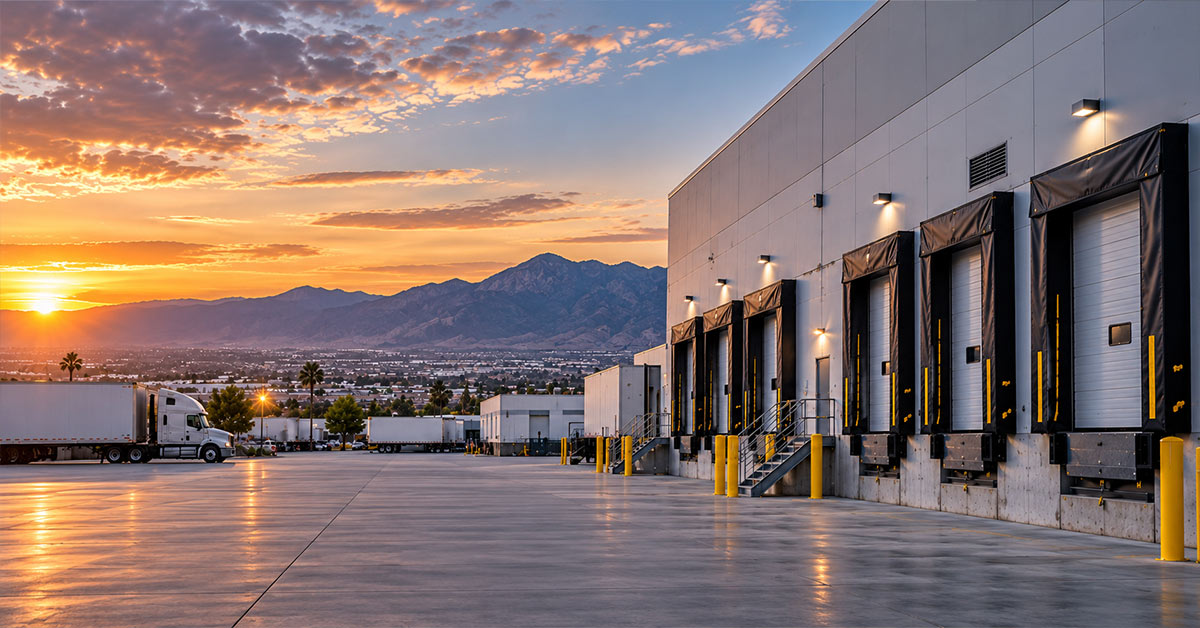
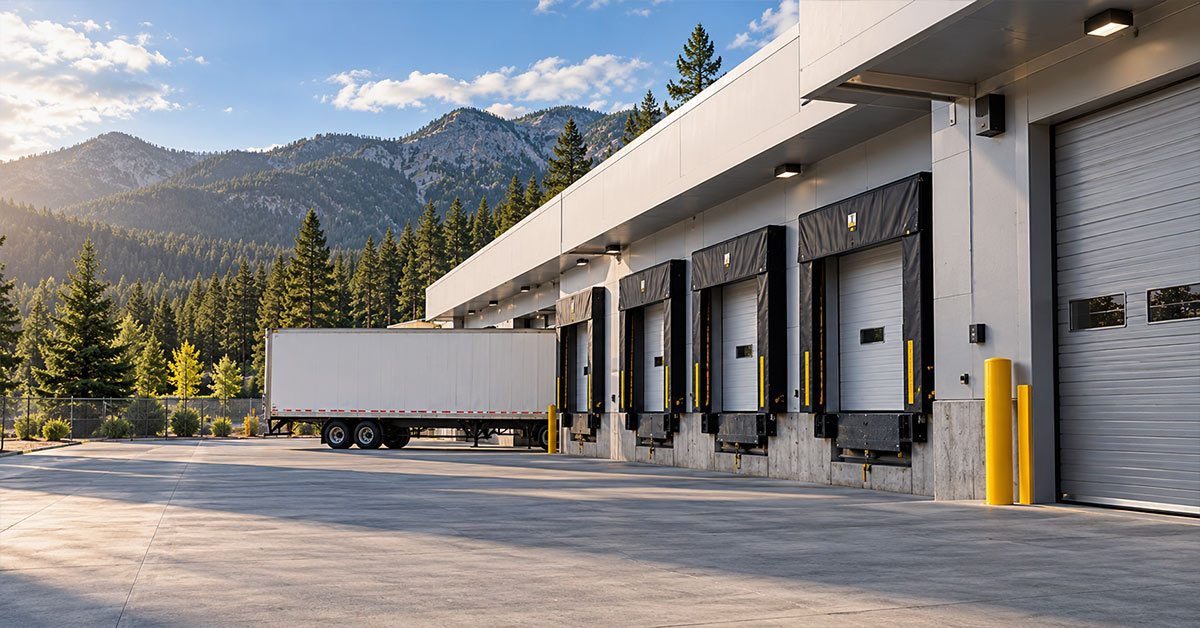


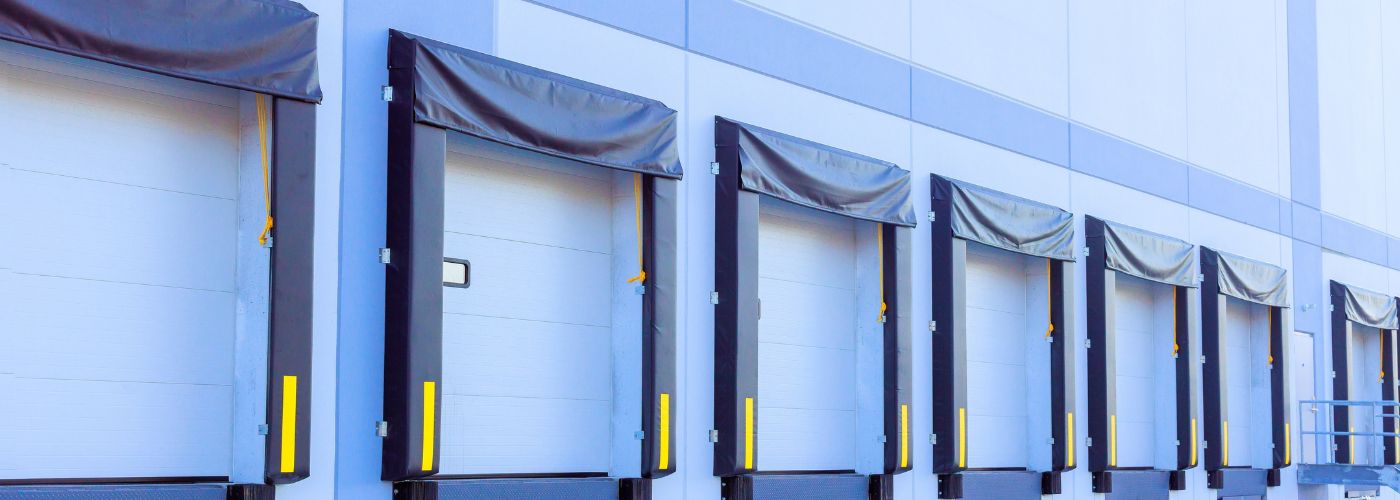
Loading docks play an important role in keeping warehouses, distribution centers, and industrial facilities operating efficiently. Choosing the right equipment and preparing properly can help prevent delays, safety concerns, and costly modifications later.
This article covers what businesses should know before moving forward with a dock leveler project and highlights the key factors that can affect performance and installation success.
Things To Know Before Dock Leveler Installation
One of the most important things to know before dock leveler installation is that every facility has unique operational requirements. The type of trucks being serviced, the frequency of loading activities, and the weight of materials being moved all influence which dock leveler will perform best.
Taking time to evaluate daily operations before dock leveler installation helps ensure the selected equipment supports both current and future needs.
Facility owners should also consider the physical condition of the loading dock area. Existing dock structures, pit dimensions, and traffic patterns can all impact installation requirements.
Careful planning before construction begins can reduce unexpected expenses, minimize downtime, and help create a safer and more efficient loading environment. Understanding these factors early allows for a smoother installation process and better long-term performance.
Load Capacity Requirements Based On Needs
Determining load capacity is another important factor to know before dock leveler installation.
Every dock leveler is designed to handle a specific weight range, and selecting a unit with insufficient capacity can lead to premature wear, equipment damage, and safety concerns.
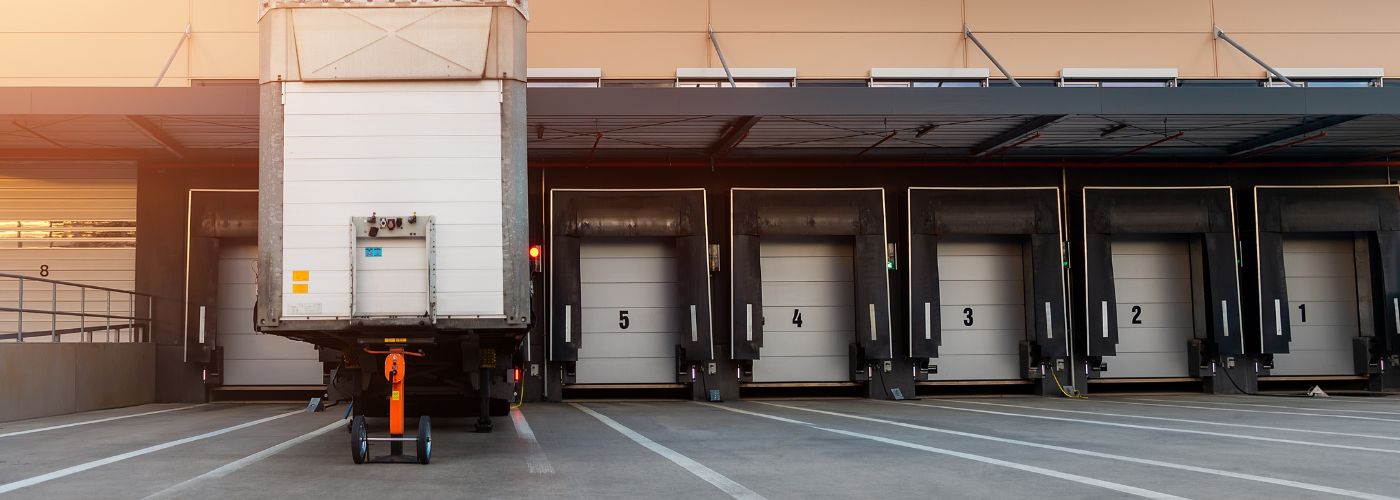
Facilities should consider not only the weight of products being moved but also the combined weight of forklifts, pallet jacks, and other loading equipment.
Future operational growth should also be considered during the planning process. A facility that currently handles moderate loads may eventually expand operations and require heavier-duty equipment.
Choosing a dock leveler that accommodates both current demands and potential future increases in workload can help avoid costly replacements later. Proper load capacity planning helps maximize equipment lifespan and operational efficiency.
Hydraulic, Mechanical, and Air-Powered Dock Leveler Options
When evaluating what to know before dock leveler installation, understanding the available dock leveler types is essential. Hydraulic dock levelers use powered systems to raise and lower the platform with minimal effort from workers.
They are commonly selected for high-volume facilities because they offer reliable operation, fast cycle times, and reduced physical strain on employees.
Mechanical dock levelers rely on springs and manual activation systems. While they often have a lower upfront cost, they typically require more maintenance and worker effort over time.
Air-powered dock levelers use inflatable air bags to lift the platform and provide an alternative between hydraulic and mechanical designs.
Selecting the right operating system should be based on usage frequency, maintenance expectations, and long-term operational goals rather than installation cost alone.
Dock Height Measurements That Affect Leveler Selection
Accurate dock measurements are critical when reviewing what to know before dock leveler installation. Dock height directly affects how well a leveler can bridge the gap between the loading dock and truck bed.
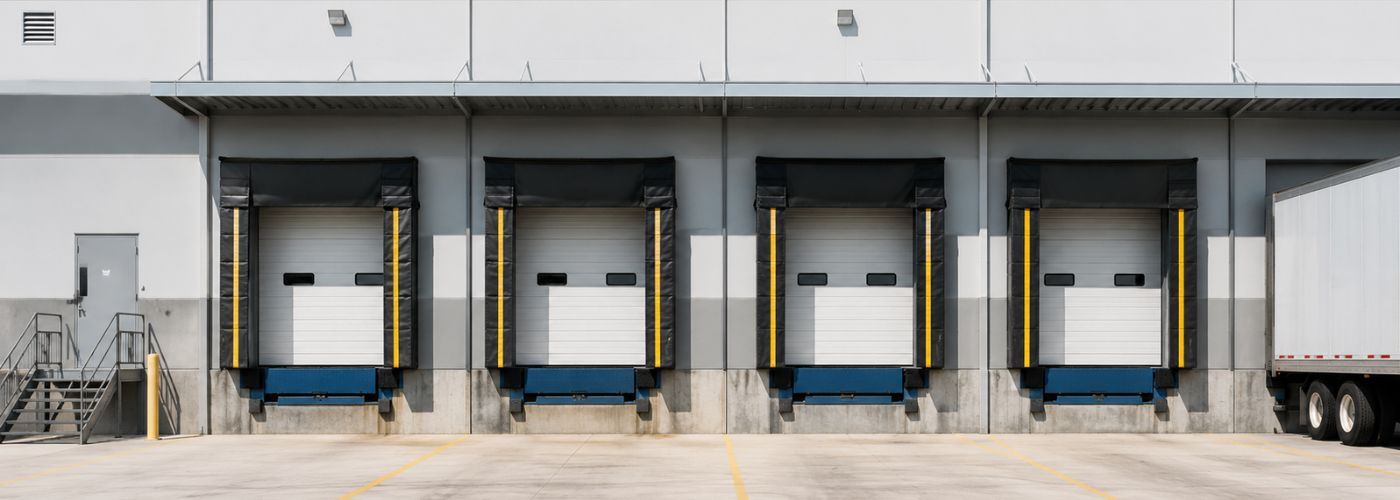
Different truck types may have varying trailer heights, making proper measurement essential for maintaining smooth and safe loading operations.
Other measurements, such as dock width, pit dimensions, and approach angles, also influence leveler selection.
Installing a leveler that does not match the facility’s dimensions can create operational challenges and increase wear on equipment.
Taking precise measurements before ordering equipment helps ensure proper fit, reliable performance, and fewer installation complications.
Professional site evaluations are often recommended to verify all critical dimensions.
Safety Features That Help Protect Workers and Equipment
Safety should be a major consideration when assessing what to know before dock leveler installation. Modern dock levelers often include safety features designed to reduce workplace risks and protect loading personnel.
Common features include maintenance support legs, lip keepers, velocity fuses, and emergency stop functions that help prevent sudden platform movement.
Advanced safety systems may also include communication lights, vehicle restraints, and integrated control panels that improve coordination between dock workers and truck drivers.
These systems help reduce the likelihood of accidents caused by trailer movement or improper loading procedures.
Investing in safety-focused equipment not only protects employees but can also help reduce operational disruptions and liability concerns.
A safer loading environment often contributes to improved productivity and employee confidence.
Pit Construction Specifications Needed for Proper Installation
Pit construction is one of the most overlooked aspects to know before dock leveler installation. The dock pit must be built according to the manufacturer’s specifications to ensure the leveler fits correctly and functions as intended.
Improper pit dimensions can create alignment issues, affect performance, and lead to additional construction costs during installation.
Factors such as pit depth, wall thickness, reinforcement requirements, and drainage considerations all play important roles in supporting long-term dock leveler performance.
Construction teams should carefully review engineering drawings and installation requirements before beginning work.
A properly constructed pit provides the structural support necessary for safe operation and helps prevent costly adjustments after installation is underway.
Careful coordination between contractors and equipment suppliers can help ensure a successful installation from start to finish.