
 Garage Doors / Overhead Doors
 Loading Docks
 Repair & Maintenance


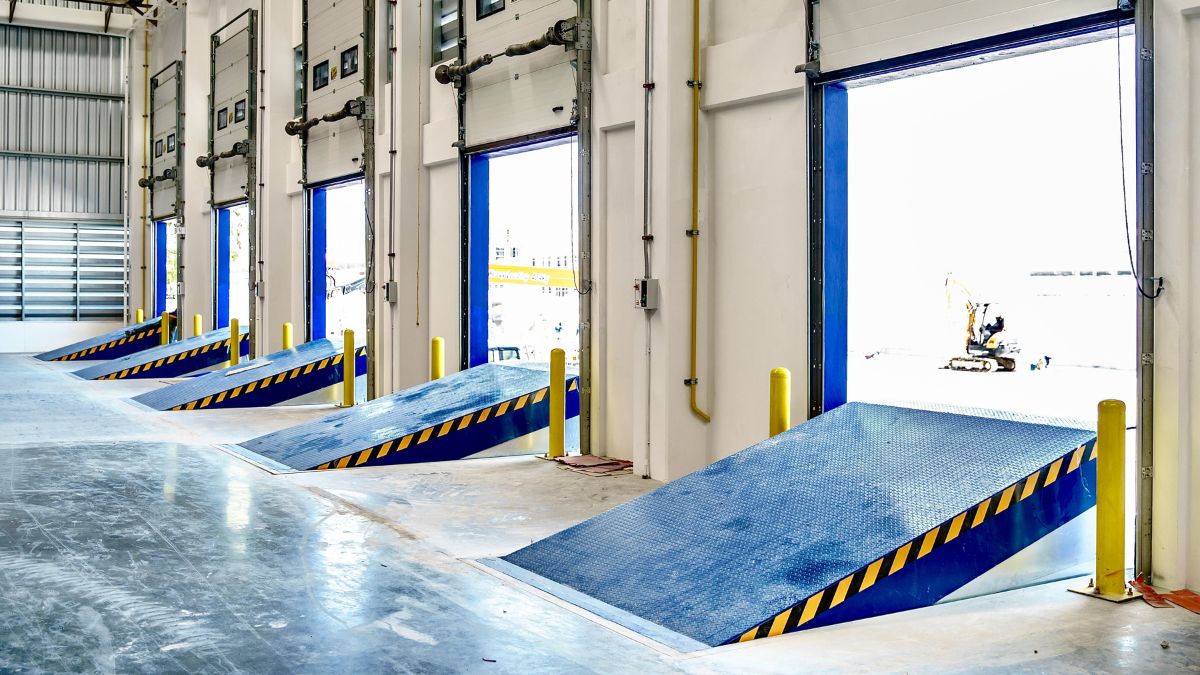
An edge of dock leveler helps create a smoother path between a loading dock and a trailer so materials can move safely during loading and unloading. As the equipment ages or becomes damaged, problems can develop that affect movement, stability, and everyday dock operations.
This article goes over the common issues that may indicate an edge of dock leveler is reaching the point where replacement should be considered.
When To Replace An Edge of Dock Leveler
Knowing when to replace an edge of dock leveler often comes down to its condition, performance, and ability to create a dependable connection with trailers.
These levelers handle repeated weight and movement throughout the day, which can gradually wear down the platform, hinges, springs, lifting components, and other important parts.
Normal maintenance can extend the life of the equipment, but it cannot prevent every component from eventually wearing out.
An edge of dock does not always need to stop working completely before replacement becomes necessary.
Changes in how it moves, sits against trailers, or responds during operation can indicate that the equipment is no longer performing as intended.
Replacing worn equipment before a major failure can help reduce unexpected downtime and prevent a damaged leveler from disrupting regular loading dock operations.
Visible Cracks or Damage to the Leveler
Visible physical damage is one of the clearest signs that it may be time to replace an edge of dock leveler. Cracks can develop in the deck, lip, welds, hinges, or other areas that experience repeated pressure.
Bent metal, broken welds, severe corrosion, and other structural changes can also affect how well the leveler handles loads as forklifts, pallet jacks, carts, and materials travel across it.
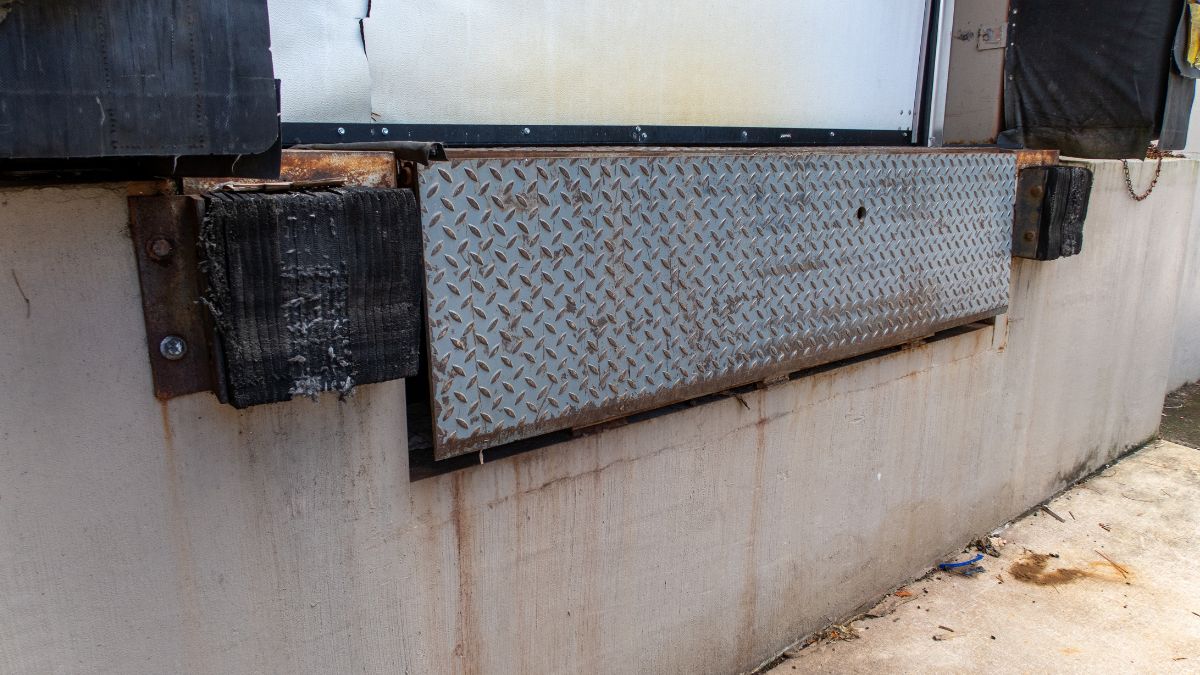
Small surface marks are different from damage that affects the strength or shape of the equipment.
When cracks continue growing or important structural areas become bent or weakened, repairs may no longer provide a dependable long-term solution.
The condition should be evaluated before the leveler continues handling regular traffic. Structural damage deserves attention because the platform must remain strong enough to support repeated movement between the dock and trailer.
Difficulty Raising or Lowering the Platform
Operators should be able to move the leveler through its normal operating range without unusual resistance or repeated attempts.
When it becomes difficult to raise or lower the platform, worn mechanical parts, damaged hinges, spring problems, corrosion, or other internal issues may be interfering with normal operation.
If these problems continue after maintenance or repairs, it may be necessary to replace an edge of dock leveler rather than continue servicing aging components.
Changes in operation may start gradually. Employees might notice that the platform requires more effort than before, does not move through its full range, or becomes difficult to position correctly.
These problems can slow down loading because workers spend extra time trying to get the equipment into place before moving materials.
A leveler that no longer moves smoothly and consistently can make a routine loading process more difficult than it needs to be.
Uneven or Unstable Movement During Operation
An edge of dock leveler should move in a controlled and predictable way. If the platform begins shifting unevenly, shaking, sticking, or moving differently from one operation to the next, there may be wear in the hinges, springs, mounting points, or other moving components.
Operators may first notice the problem when the platform no longer feels as steady as it once did.
Unstable movement can be especially concerning because loads regularly travel across the transition between two separate surfaces.
A platform that shifts unexpectedly can make that transition less consistent for employees and material-handling equipment.
Continued use can also place additional stress on components that are already worn, which may cause the problem to become worse over time.
If instability continues even after the equipment has been inspected and repaired, it may make more sense to replace an edge of dock leveler.
Repeated adjustments can become less practical when several components have significant wear.
Replacement provides an opportunity to restore more predictable operation instead of continuing to address individual symptoms as they appear.
Frequent Breakdowns and Increasing Repair Needs
Occasional maintenance and repairs are normal for equipment that receives regular use. The situation changes when service calls become increasingly common or the same problems return shortly after repairs.
Springs, hinges, lip assemblies, handles, and other components can wear at different rates, especially in busy loading areas where the leveler goes through many operating cycles.
Businesses may eventually reach a point where the cost and inconvenience of repeated repairs outweigh the benefit of keeping the existing equipment.
A single repair might seem less expensive than replacement, but multiple service visits, replacement parts, and periods of downtime can add up.
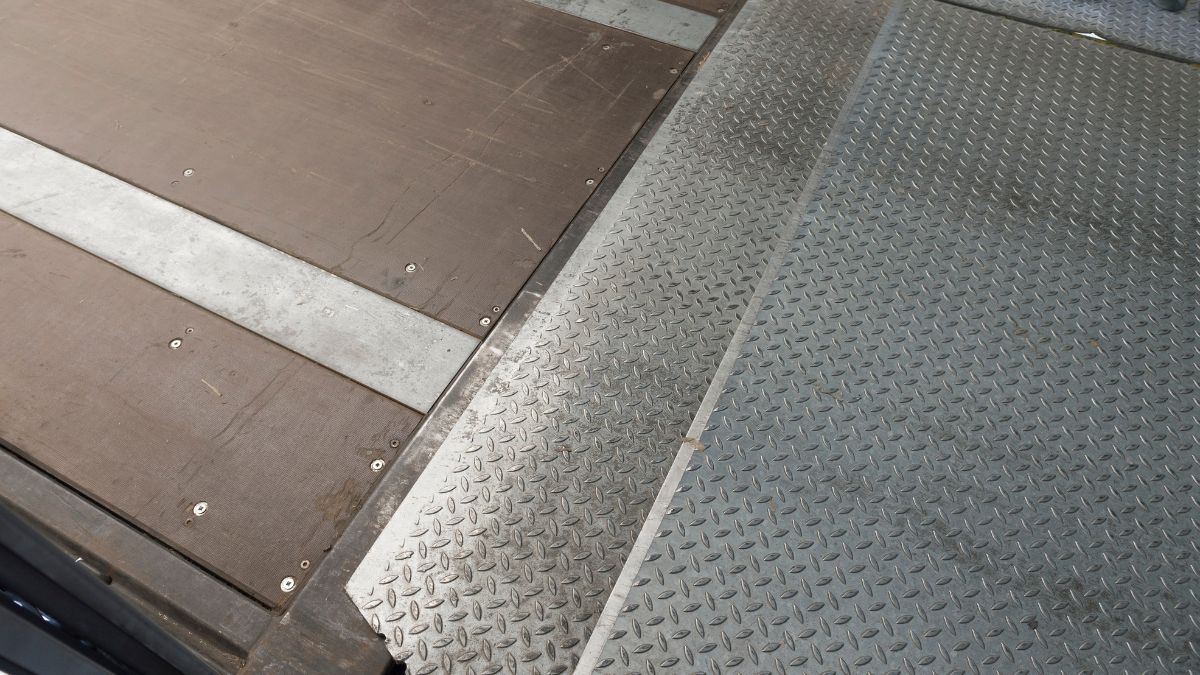
When several areas of the leveler are worn at the same time, repairing one component may simply be followed by another failure elsewhere.
In this situation, choosing to replace an edge of dock leveler can provide a more practical long-term approach.
Looking at the overall repair history can provide a clearer picture than focusing only on the cost of the most recent service visit.
The age of the unit, availability of replacement parts, amount of daily use, and load capacity should all be considered when deciding what makes sense.
Trouble Creating a Safe Bridge to the Trailer
The main purpose of an edge of dock leveler is to create a usable bridge between the dock and the trailer. The lip needs to extend and rest properly on the trailer bed so workers and material-handling equipment can move across the gap.
When the platform or lip becomes worn, bent, damaged, or difficult to position, the leveler may no longer create a dependable transition.
Problems can include poor lip contact, an uneven transition, excessive gaps, or difficulty reaching trailers that the equipment previously handled without trouble.
Trailer height and position can affect how the leveler sits, so not every poor connection automatically means the equipment needs replacement.
However, repeated problems across normal loading situations may indicate that the leveler’s condition or operating range is no longer suitable for the facility’s needs.
A dependable bridge should provide stable contact with the trailer without requiring workers to struggle with damaged or unreliable equipment.
If inspections and repairs cannot restore proper positioning, it may be time to replace an edge of dock leveler.
Addressing the problem can help restore a smoother transition and maintain a safe loading dock area for more consistent loading and unloading operations.