 Garage Doors / Overhead Doors
 Loading Docks
 Repair & Maintenance


Loading dock bumpers are vital for protecting your dock, trucks, and equipment from heavy impact damage. They absorb shock and prevent costly repairs to both the dock and delivery vehicles. However, like any safety component, they wear out over time.
Knowing when to repair or replace dock bumpers can save you time, money, and frustration. Let’s explore the key signs, factors, and benefits involved in deciding between repair and replacement.
Signs On When To Repair vs Replace Loading Dock Bumpers
Over time, loading dock bumpers experience wear from daily use, exposure to weather, and heavy truck traffic. The challenge for facility managers is knowing when simple repairs are enough and when replacement is a better investment.
Ignoring bumper damage can lead to serious structural harm to your dock and safety risks for workers. Regular inspections help catch small problems early before they turn into bigger expenses.
Watch for cracks, rubber separation, or metal plate damage—these are all signs it’s time to act.
Identifying Dock Bumper Repairs That Are Worth It
Not every damaged bumper needs full replacement. Some problems can be fixed with minor repairs. For example, if only a small portion of the rubber is worn or detached, repair may be enough.
Tightening or replacing mounting hardware can also solve issues caused by loose or unstable bumpers. If the bumper still has most of its original thickness and structure, repairing it can be cost-effective.
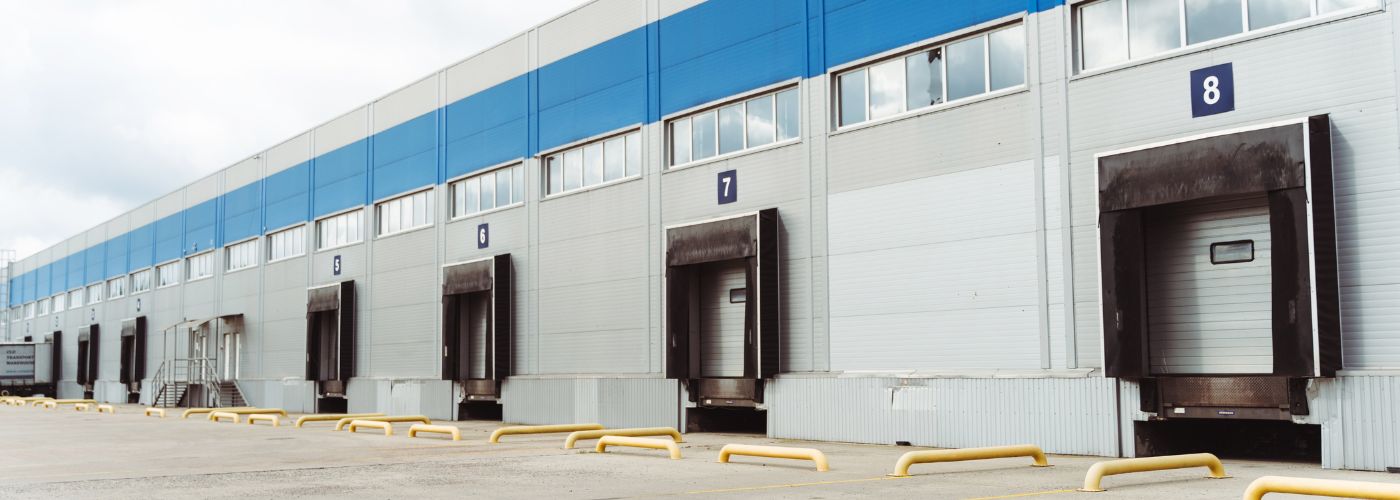
However, repairs should only be considered when they can restore proper function and safety. Check for secure attachment to the dock wall. If the bumper moves or vibrates under pressure, that’s a warning sign.
Repairs are worth it when the cost is lower than replacement but still guarantees safety and performance. Always consult with a dock equipment specialist before deciding, as they can help assess true condition and repair potential.
Factors Influencing Bumper Longevity
Several factors affect how long your loading dock bumpers last. The type of material used plays a huge role in durability. Molded rubber, laminated rubber, and steel-faced bumpers all have different lifespans and resistance to impact.
The amount of dock activity also matters. High-traffic docks with frequent truck movements cause faster wear and tear.
Weather exposure is another key factor. Bumpers exposed to sunlight, rain, or freezing conditions can break down faster. Maintenance habits make a difference too.
Regular cleaning and tightening of mounting bolts can extend bumper life significantly. Lastly, the angle of truck contact affects longevity. Improper alignment can cause uneven wear, reducing performance and safety.
When To Fully Replace A Dock Bumper
Replacement is the better option when the bumper can no longer protect your dock effectively. If the rubber has worn down by more than 50%, it’s time to replace it.
Deep cracks, missing chunks, or exposed steel plates are also signs of severe deterioration. These issues reduce shock absorption and can cause expensive damage to trucks and dock structures.
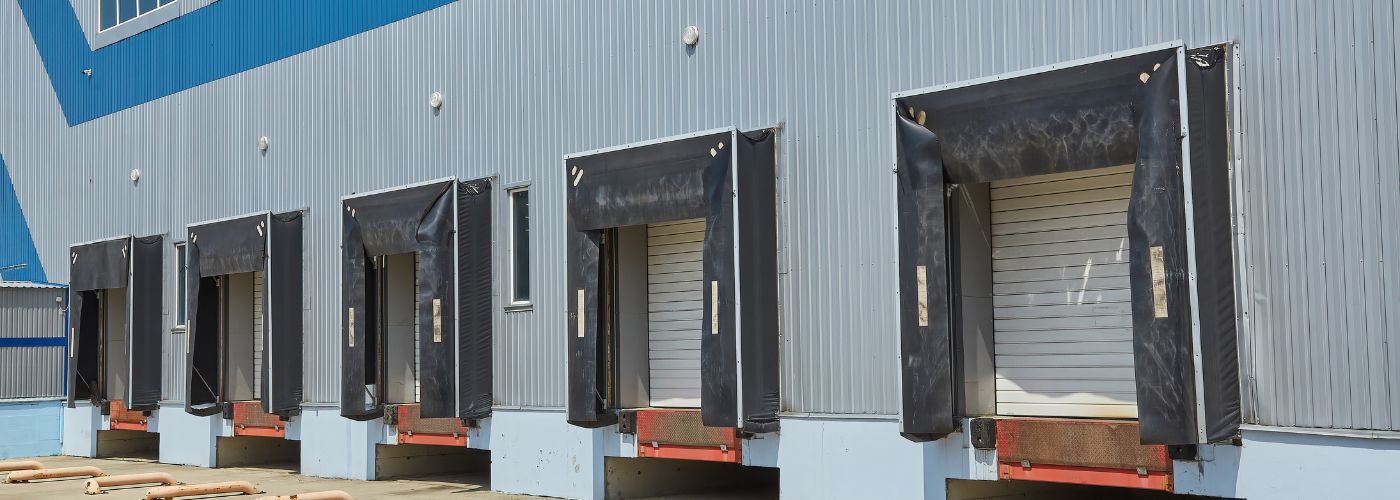
Another reason to replace is when the bumpers start to separate from the mounting bracket or dock face. This can lead to unsafe conditions during loading and unloading. If your dock sees heavy traffic daily, bumpers may need replacement every few years.
Don’t wait for complete failure—proactive replacement prevents downtime and injury risks. Consider upgrading to heavy-duty or steel-faced bumpers if your current ones wear out quickly.
These offer stronger impact resistance and last longer under frequent use.
Practices for Dock Bumper Maintenance and Care
Proper maintenance can help extend the life of your dock bumpers and reduce replacement costs. The first step is regular inspection. Inspect bumpers monthly for cracks, loose bolts, or compression wear.
Keeping them clean from oil, dirt, and debris also helps maintain their elasticity and structure. A mild detergent and a brush are usually enough for cleaning.
Check mounting hardware regularly to ensure a tight fit. Loose bolts or plates can cause uneven pressure and faster deterioration. Avoid using harsh chemicals that can break down rubber compounds. In addition, make sure trucks align correctly when docking.
Misalignment causes uneven wear and can shorten bumper lifespan. Good maintenance habits can double the life of your bumpers while improving overall dock safety.
Long-Term Benefits of Replacing Old Bumpers
Replacing worn-out bumpers is an investment that pays off in the long run. New bumpers offer better shock absorption, protecting your dock and vehicles from costly damage.
They also improve loading efficiency by creating a stable contact point for trucks. Workers benefit too, since fewer impacts reduce vibration and noise levels in the dock area.
New bumpers also improve the professional look of your facility. Old or damaged bumpers can make your dock appear neglected or unsafe to visiting drivers. Additionally, modern bumper materials are designed for better durability and weather resistance.
Upgrading ensures consistent performance under heavy use and extreme conditions. By replacing old bumpers before complete failure, you avoid sudden downtime and expensive emergency repairs.
Another benefit is improved safety compliance. Many insurance providers and safety auditors check loading docks for damage and wear. Having properly functioning bumpers demonstrates your commitment to worker safety and equipment care.
In the long term, replacing old bumpers saves more money than constant small repairs. It reduces maintenance needs and minimizes the risk of injury or equipment damage.
In summary, knowing when to repair versus replace your loading dock bumpers is about balance. Regular inspections, proper maintenance, and quick action keep your facility running smoothly.
Repair minor damage early and replace bumpers that have lost their protective strength. This approach ensures a safer, more efficient, and more reliable loading operation for years to come.