
 Garage Doors / Overhead Doors
 Loading Docks
 Repair & Maintenance


Commercial garage doors experience constant use, making regular inspections an important part of keeping a facility safe and productive.
This article explains the best times to schedule commercial garage door inspections and how routine evaluations can help prevent costly repairs and unexpected downtime.
When Should I Do Commercial Garage Door Inspections?
Knowing when to schedule commercial garage door inspections can make a significant difference in the reliability of your building’s operations.
Instead of waiting until a door stops working, businesses should create a routine maintenance schedule that matches how often the doors are used.
Warehouses, distribution centers, automotive shops, and manufacturing facilities often require more frequent inspections than buildings with occasional daily traffic.
Routine inspections help identify small mechanical concerns before they develop into expensive repairs or unexpected operational interruptions.
During each inspection, technicians can examine springs, rollers, tracks, cables, hinges, weather seals, safety devices, and the opener system.
Finding worn components early helps maintain smooth operation while reducing the risk of emergency service calls that can interrupt daily business activities.
Check After Periods of Heavy Daily Door Usage
Commercial garage doors that operate dozens or even hundreds of times each day naturally experience more wear than lightly used systems.
Facilities that receive increased deliveries during holidays, seasonal inventory changes, or special projects should schedule inspections once traffic returns to normal.
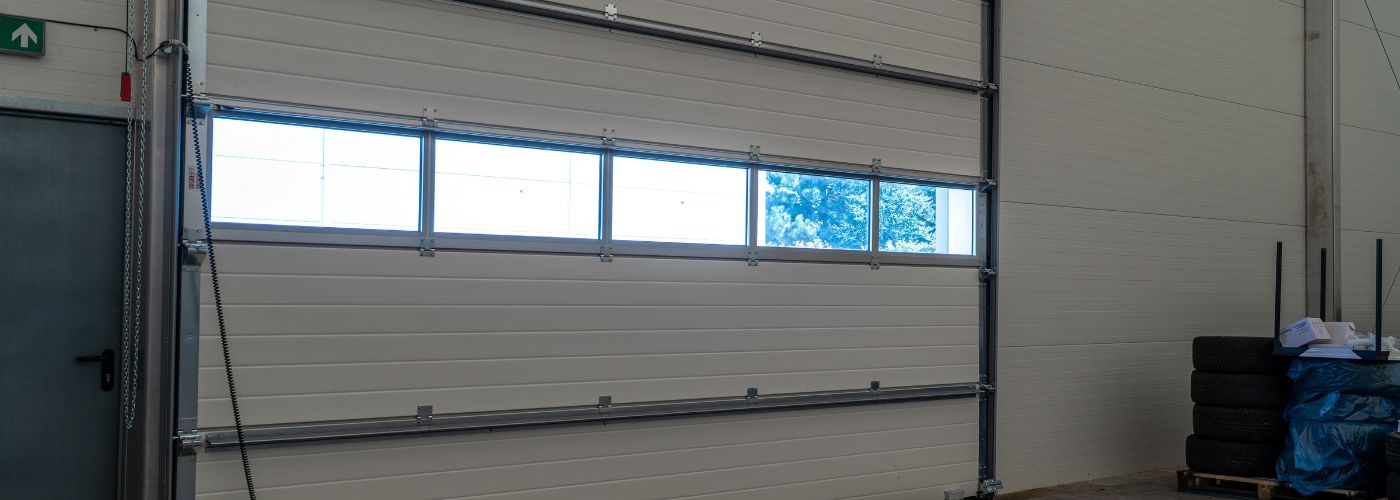
Heavy operation places additional stress on rollers, hinges, springs, cables, and opener components that may not immediately show obvious signs of wear.
Listening for new sounds, watching for slower movement, or noticing uneven door travel may indicate that parts are beginning to wear out after extended use.
High operating cycles gradually increase mechanical wear even when a door appears to function normally.
Routine inspections after busy periods help replace worn components before they lead to larger mechanical failures in your commercial gate.
Inspect Before Peak Seasonal Changes
Seasonal weather changes can affect how commercial garage doors perform throughout the year.
Temperature swings cause metal parts to expand and contract, while moisture, dust, and changing humidity levels may impact moving components over time.
Scheduling inspections before major seasonal transitions allows technicians to identify developing problems before weather conditions place additional stress on the system.
Preparing the door before summer heat or colder winter temperatures also gives businesses time to complete repairs without rushing during busy periods.
Addressing maintenance before seasonal conditions become more demanding helps improve reliability and supports consistent daily operations.
Lubricating moving parts, checking weather seals, and confirming proper door balance can all contribute to smoother performance throughout the upcoming season.
Prior to Annual Safety and Facility Compliance
Many commercial properties perform annual safety reviews to verify that building equipment operates properly and meets company standards.
Scheduling a garage door inspection before these evaluations allows maintenance teams to correct any issues before they become compliance concerns.
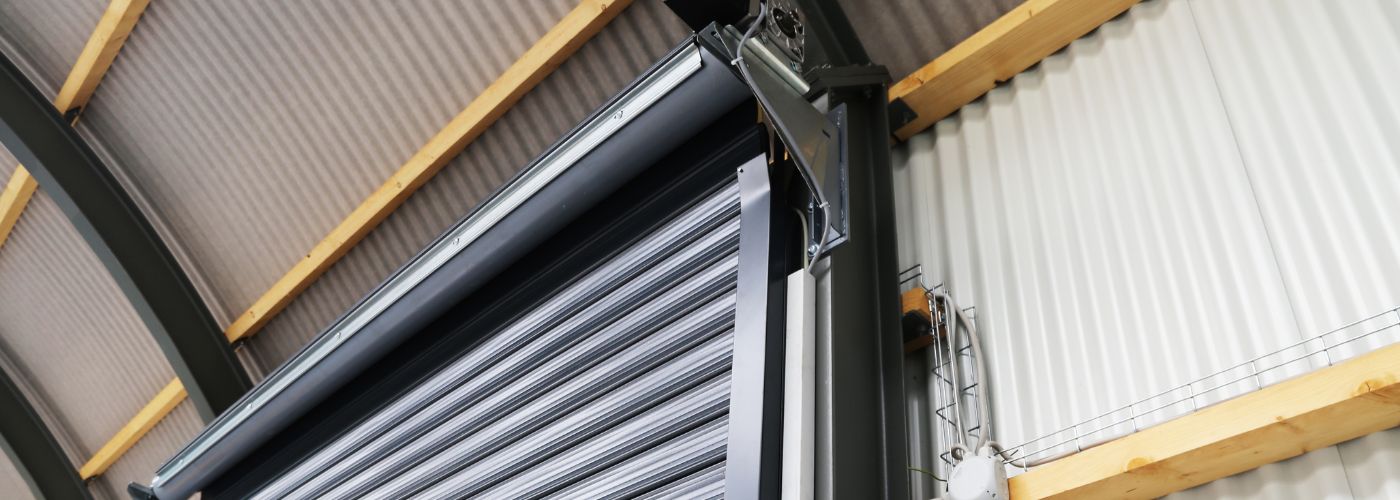
A professional inspection can verify that safety sensors, automatic reversing systems, hardware, and structural components are functioning as intended.
These inspections also provide valuable maintenance records that demonstrate ongoing care of the facility’s equipment.
Keeping accurate commercial garage door service documentation supports long-term maintenance planning while promoting a safer workplace for employees and visitors.
Addressing minor repairs before annual reviews often reduces the likelihood of unexpected findings that require immediate corrective action.
Review After Severe Weather Events
Strong winds, heavy rain, hail, snow, and flying debris can all affect the condition of commercial garage doors.
Even if the door continues operating after a storm, hidden damage may exist within the tracks, panels, springs, weather seals, or opener system.
Scheduling an inspection after severe weather helps identify issues that may worsen over time if left untreated.
Technicians can examine the entire system for bent tracks, loose hardware, damaged seals, moisture intrusion, and alignment problems that are not always visible during everyday use.
A thorough post-storm inspection helps restore confidence that the entire door system remains safe, dependable, and ready for daily business operations.
Prompt evaluations also reduce the chance that minor weather-related damage will develop into more extensive repairs in the future.