 Garage Doors / Overhead Doors
 Loading Docks
 Repair & Maintenance


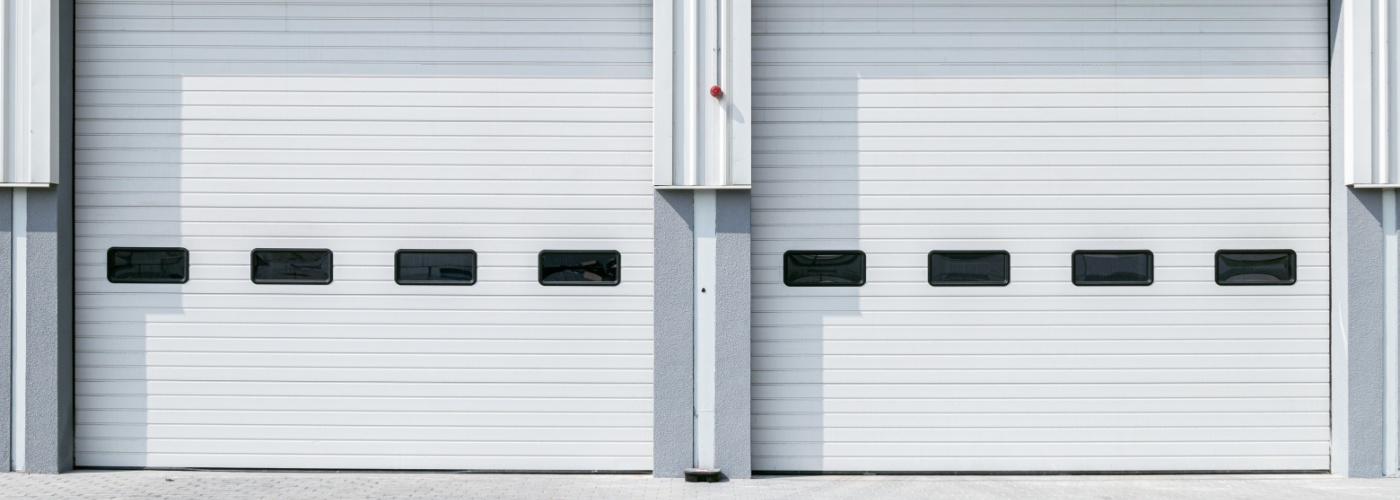
Did you know that the right commercial garage opener can cut maintenance time in half? If you’re managing a business, keeping your garage operational is crucial for efficiency.
In this article, we will explore commercial garage openers that require less upkeep, saving you both time and money. By understanding the best options available, you’ll ensure your operations run smoothly and effectively.
Commercial Garage Openers And Their Maintenance
Commercial garage openers are built for heavy-duty use in warehouses, parking garages, manufacturing plants, and distribution centers. These environments often demand dozens or even hundreds of door cycles each day.
Because of this workload, maintenance requirements vary greatly depending on the opener’s design, materials, and operating system. Some openers rely on simple mechanisms that stay reliable with minimal attention, while others involve parts that naturally wear faster.
Low-maintenance commercial garage openers are typically designed with fewer moving parts, smoother operation, and components that resist friction and corrosion.
Systems that reduce metal-on-metal contact and excessive vibration tend to last longer without frequent adjustments.
Regular inspections are still important, but the amount of lubrication, tightening, and part replacement needed is often much lower. Understanding how each type of opener operates helps identify which ones are easier to maintain in the long run.
Belt-Drive Trolley Operators Maintenance Requirements
Belt-drive trolley operators are often considered one of the lowest maintenance options available for commercial garage doors. These systems use a reinforced belt, usually made from rubber or polyurethane, instead of a metal chain.
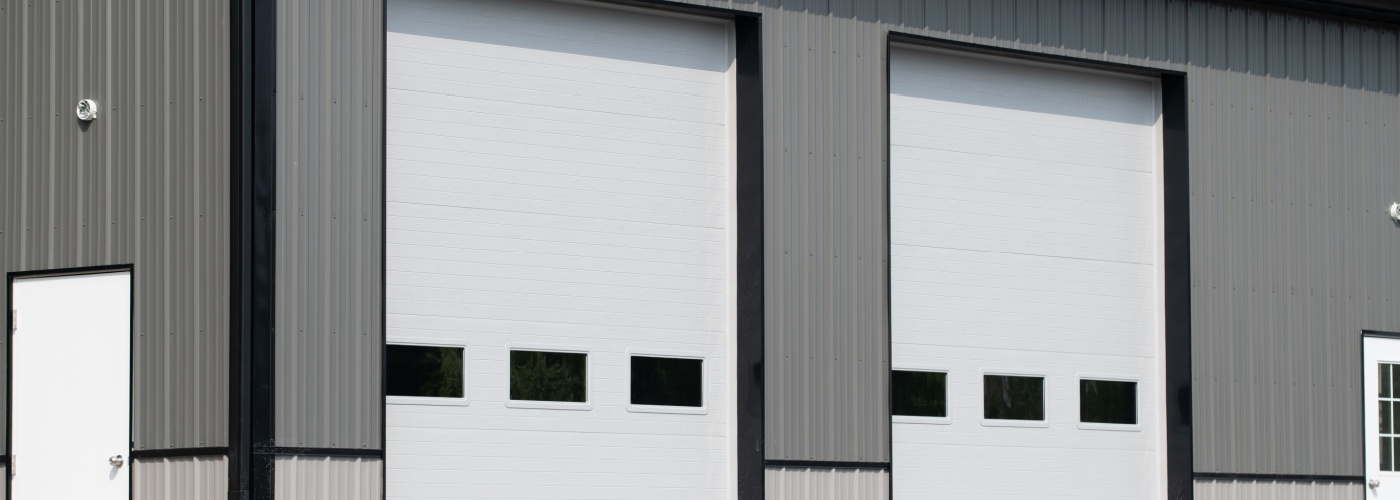
This belt moves smoothly along the rail, lifting and lowering the door with minimal friction. The result is quiet operation and reduced mechanical stress on the system.
Because belt-drive systems eliminate metal chains, they do not require regular lubrication or frequent tension adjustments. The belts are engineered to resist stretching, cracking, and wear, even under repeated daily use.
Maintenance tasks typically include checking belt alignment, inspecting mounting brackets, and ensuring the motor operates smoothly. These tasks are simple and usually quick to complete.
Another reason belt-drive trolley operators require less maintenance is reduced vibration. Less vibration means fewer loose bolts, less rail movement, and lower strain on the motor over time.
This helps extend the lifespan of key components and reduces unexpected service calls. For businesses that want a quiet, reliable system with minimal upkeep, belt-drive trolley operators are often an excellent choice.
Chain-Drive Trolley Operators Need Frequent Lubrication
Chain-drive trolley operators are one of the most common types of commercial garage openers. They are known for strength and durability, making them suitable for heavy doors and demanding environments.
These systems use a metal chain to move the door, which provides strong lifting power but also increases maintenance needs.
The main maintenance requirement for chain-drive operators is regular lubrication. The metal chain must be lubricated to reduce friction, prevent rust, and minimize noise.
Without proper lubrication, the chain can wear down quickly, become noisy, and place extra strain on the motor. Over time, chains can also stretch, which requires periodic tension adjustments to keep the system operating safely.
In addition to chain lubrication, these operators need regular inspections of sprockets, fasteners, and rails. Metal components rubbing against each other naturally create more wear than belt-driven systems and cause repairs.
While chain-drive trolley operators are reliable and powerful, they generally demand more frequent maintenance to stay in good working condition compared to belt-drive alternatives.
Barrier Arm Gate Operators Need Inspections
Barrier arm gate operators are commonly used in commercial parking facilities, gated communities, toll booths, and access-controlled areas.
These systems are designed for fast operation and frequent cycles, often opening and closing hundreds of times per day. Because they are usually installed outdoors, they are exposed to weather, dust, and temperature changes.
Barrier arm gate operators do not have many complex moving parts, but they require consistent inspections to maintain reliable performance.
The gate arm should be checked for proper balance, alignment, and structural integrity. Hinges, springs, and pivot points must move freely to avoid placing unnecessary strain on the motor.
Electrical components also play a major role in barrier arm systems. Sensors, control boards, and safety devices should be inspected to ensure they respond correctly.
While these operators may not need frequent lubrication or part replacement, routine inspections help catch small issues before they lead to downtime. With proper inspections, barrier arm gate operators can remain low-maintenance and dependable.
Check Hydraulic Slide Gate Operators Fluids
Hydraulic slide gate operators are often used for large, heavy gates in industrial facilities and high-security locations. Instead of relying on chains or belts, these systems use hydraulic pressure to move the gate smoothly. This design allows for controlled motion and strong lifting power, even for oversized or solid gates.
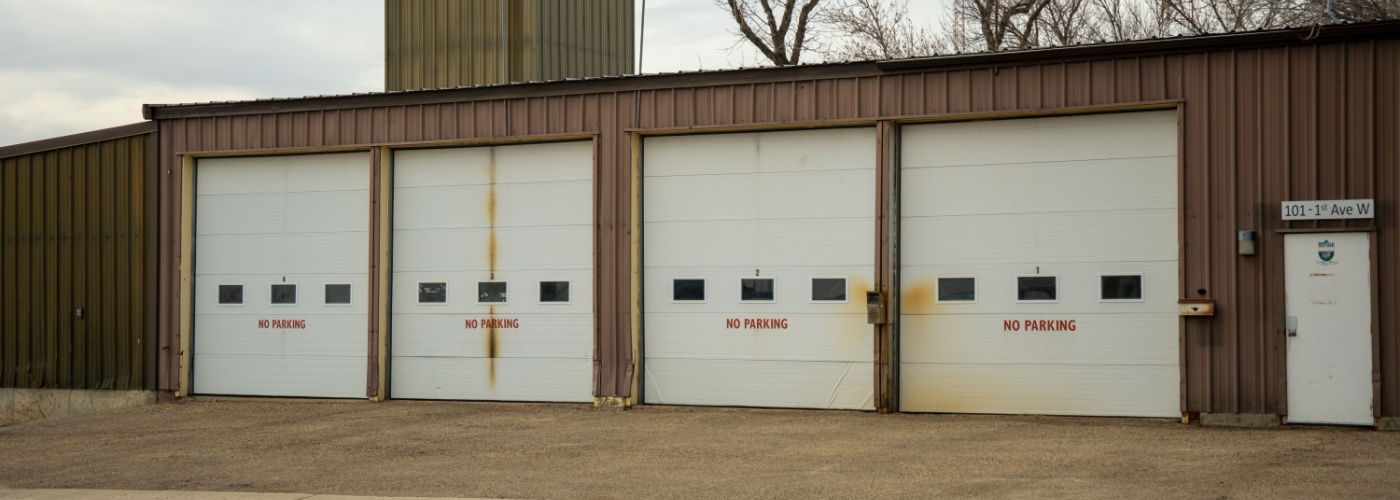
The most important maintenance task for hydraulic slide gate operators is monitoring hydraulic fluid levels and condition.
Hydraulic fluid is essential for proper gate operation, and low or contaminated fluid can cause slow movement, overheating, or system failure. Regular fluid checks help ensure consistent performance and prevent damage to internal components.
Hydraulic systems should also be inspected for leaks, worn hoses, and damaged seals. While these operators have fewer exposed mechanical parts, ignoring fluid maintenance can lead to costly repairs.
When fluid levels are maintained and leaks are addressed early, hydraulic slide gate operators often require less mechanical maintenance than chain-based systems, making them a strong option for heavy-duty applications.
Choosing a commercial garage opener that requires less maintenance can save businesses time, reduce repair costs, and improve overall reliability.
By understanding how different systems operate and what they need to stay functional, facility managers can select equipment that supports long-term efficiency and dependable performance.