 Garage Doors / Overhead Doors
 Loading Docks
 Repair & Maintenance

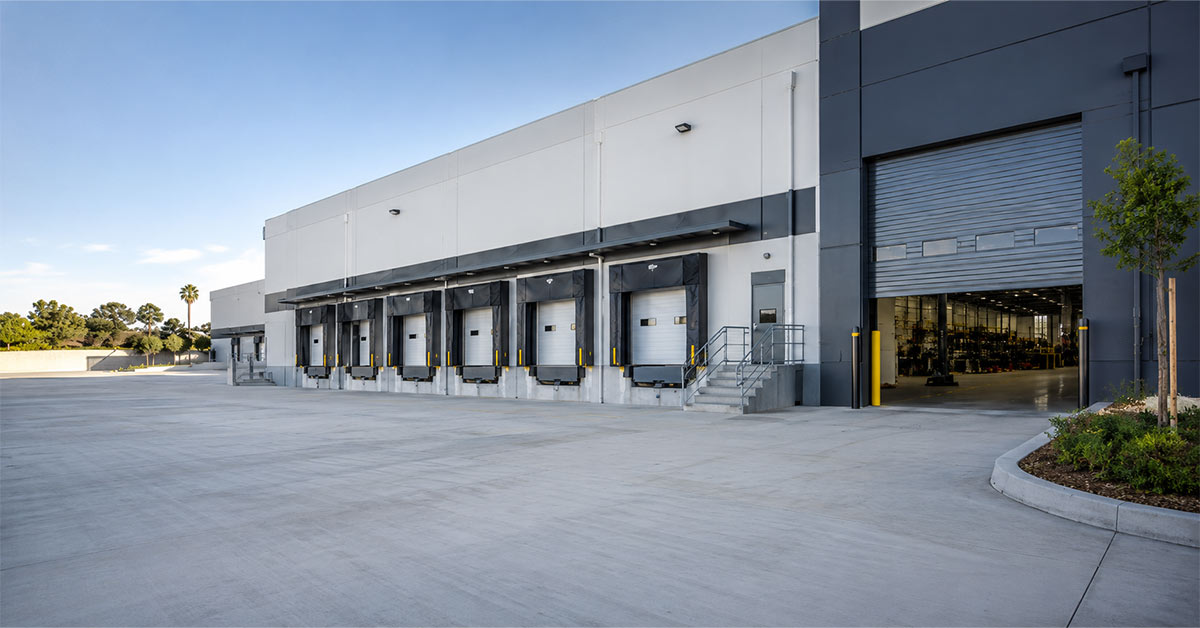


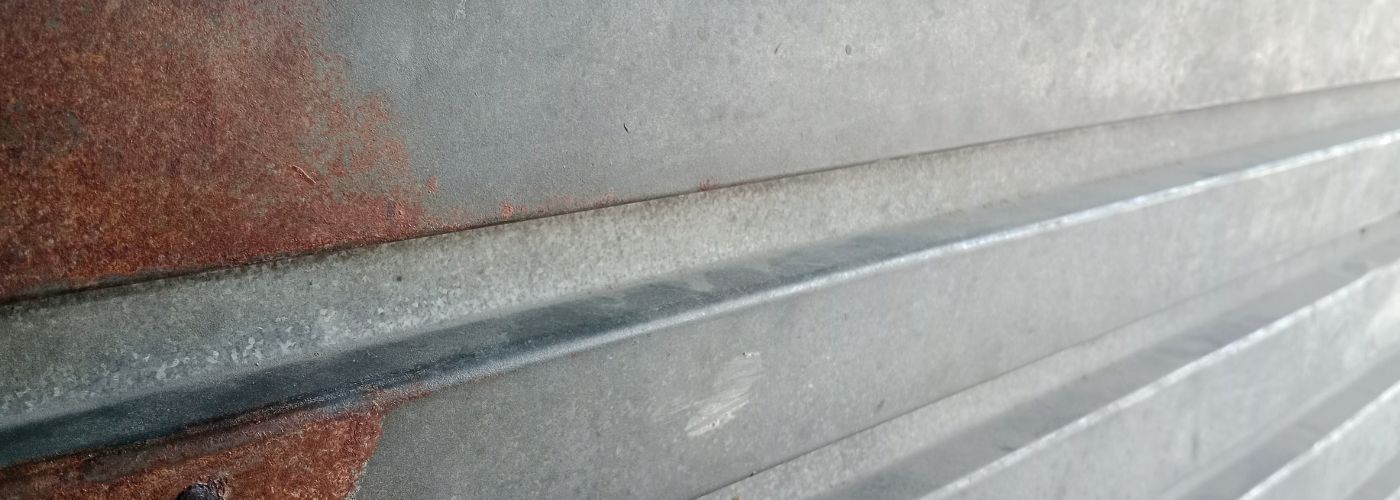
Rust can weaken a garage door, damage its appearance, and shorten the life of important metal parts. A few simple cleaning and maintenance habits can protect the door before corrosion becomes a larger and more expensive problem.
This article goes over practical ways to prevent garage door rust and keep the door in better condition over time.
Tips To Prevent Garage Door Rust
Garage doors are regularly exposed to changing weather, moisture, dust, and other materials that can affect metal surfaces. Even a door with a protective finish can develop corrosion when that finish becomes damaged or when moisture remains on the surface for long periods.
One of the best ways to prevent garage door rust is to make protection part of normal property maintenance instead of waiting until orange or brown spots become noticeable.
Pay attention to the entire door rather than focusing only on the large exterior panels. Hinges, brackets, tracks, fasteners, springs, and other metal areas may also be exposed to conditions that encourage corrosion.
Regular care can help protect the door’s appearance while also reducing the chance that corrosion will interfere with moving components. A simple inspection every so often makes it easier to notice changes and correct small concerns before they affect a larger area.
Remove Dirt, Salt, and Moisture Regularly
Dirt may seem harmless, but buildup can hold moisture against the surface of a garage door. Road salt, dust, grime, and other residue can make the situation worse, especially around the bottom section of the door where water and debris often collect.
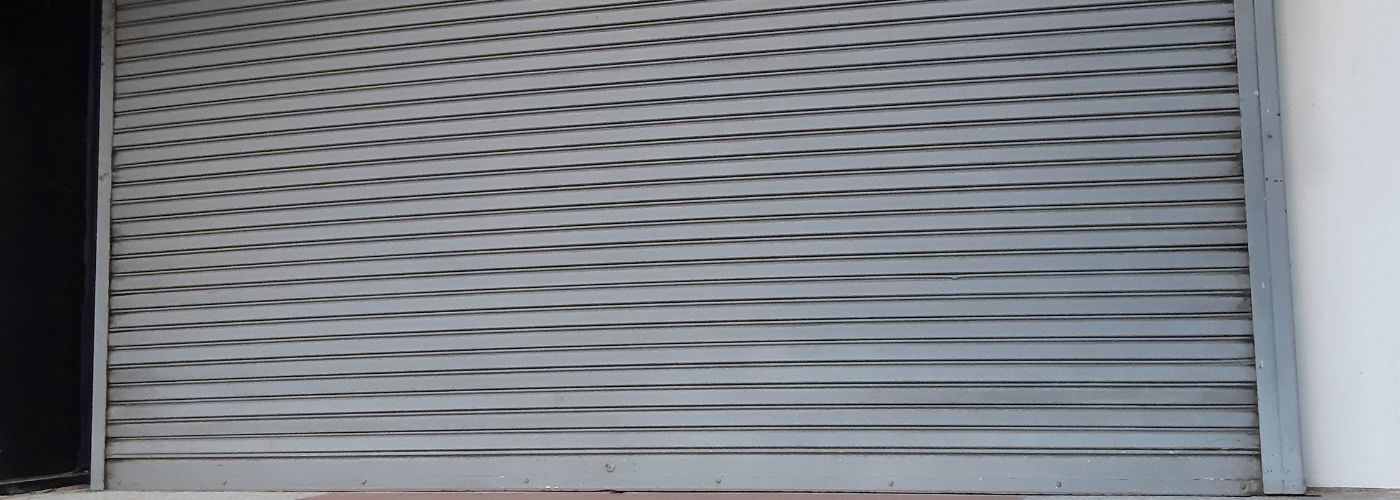
Washing these materials away periodically is a simple way to prevent garage door rust without making major changes to the door.
Use a soft cloth or sponge with mild soap and water to clean painted metal surfaces, then rinse away the remaining soap. Avoid harsh cleaners or rough brushes that could scratch the protective finish.
Pay extra attention to corners, seams, edges, and areas close to the ground because debris can settle in these locations. After cleaning, allowing the surface to dry completely helps keep moisture from sitting against exposed metal for an extended period.
Lubricate Metal Components to Reduce Corrosion
A garage door depends on several metal components that move every time the system opens or closes. Hinges, rollers, springs, and other approved moving parts can experience friction and exposure to moisture over time.
Proper lubrication can help prevent garage door rust on applicable components while also allowing the door system to move more smoothly. Following other commercial garage door maintenance tips can also help identify worn or rusted components before they create larger problems.
Use a garage-door lubricant that is suitable for the specific components being serviced, and follow the product or manufacturer recommendations. Applying too much lubricant can attract dirt and create unnecessary buildup, so a light and controlled application is usually better.
Do not assume that every part of the system should be lubricated in the same way. Using the correct lubricant in the correct locations can reduce unnecessary wear while giving exposed metal an added level of protection.
Before applying lubricant, look at the condition of the component and remove loose dirt when it is safe to do so. Lubrication should be considered preventive care rather than a solution for severely corroded, damaged, or failing hardware.
If a spring, cable, bracket, or other high-tension component appears damaged, leave the repair to a trained garage door professional.
Schedule Routine Commercial Door Maintenance
Commercial garage doors and overhead doors may operate many times throughout a normal workday. Frequent use can place additional stress on hinges, rollers, tracks, fasteners, and other metal components.
Routine professional maintenance provides an opportunity to prevent garage door rust while also checking for wear that may affect the door’s operation or reliability.
When damaged or worn parts require professional attention, scheduling commercial garage door repair can help address the issue before it interferes with daily operations.
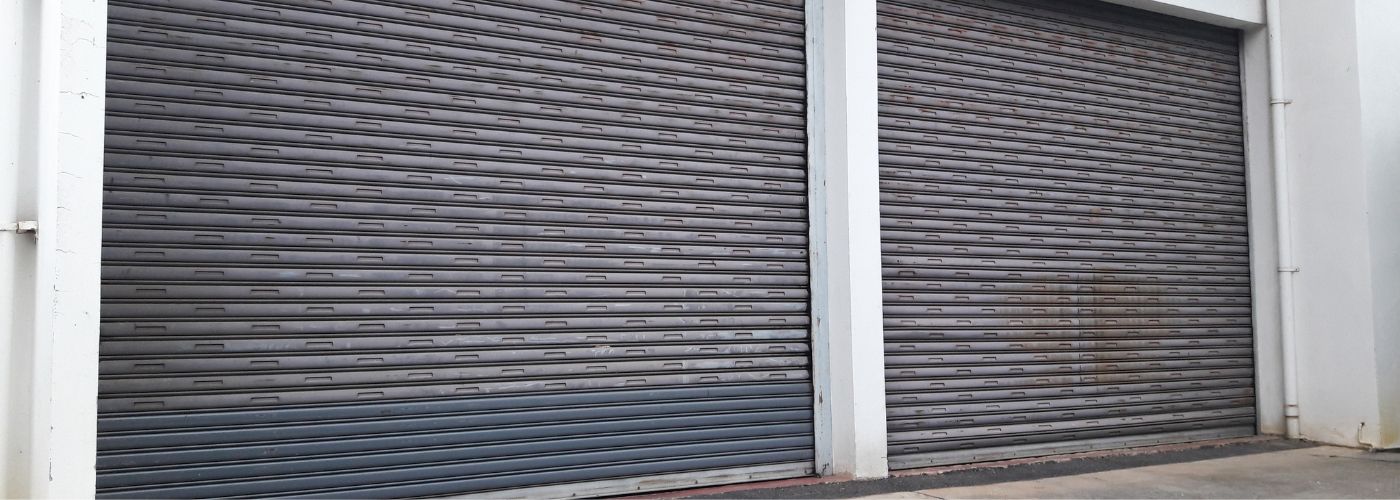
A technician can examine areas that property owners or employees may not normally inspect closely. This can include hardware, connection points, lower door sections, tracks, and other locations where corrosion or wear may begin.
Finding a small maintenance concern during a scheduled service visit is often easier to manage than discovering it after the door begins operating poorly.
Maintenance frequency can depend on the type of commercial door, its operating environment, and how often it is used. Doors exposed to frequent moisture, outdoor contaminants, or demanding daily operation may need closer attention.
Keeping a regular service schedule also creates a better opportunity to track changes in the system instead of treating every problem as an unexpected repair.
Address Surface Rust Before It Spreads
Small rust spots should not be ignored simply because the garage door still works normally. Surface corrosion can continue developing when exposed metal remains in contact with air and moisture.
Taking action early can prevent garage door rust from spreading across a larger portion of the panel or affecting nearby metal areas.
When the corrosion is minor, the affected area may be cleaned and treated according to the door manufacturer’s recommendations. Loose rust may need to be removed carefully before an appropriate rust treatment, primer, or protective finish is applied.
The goal is to stop continued exposure and restore protection to the metal. Early surface treatment can help preserve more of the original material and reduce the amount of restoration that may be needed later.
Not every rusty area should be treated as a simple cosmetic issue. Deep corrosion, holes, weakened hardware, or rust around important structural and moving components can indicate more significant damage.
These problems may also appear alongside other warning signs of a bad commercial garage door that should receive professional attention.
In those situations, professional inspection can determine whether the affected component can be serviced or whether replacement is the safer and more practical option.
Inspect Coatings for Chips and Scratches
Paint and protective coatings do more than give a garage door its finished appearance. They create a barrier between the metal underneath and the moisture in the surrounding environment.
A chip, scratch, or worn section can expose bare metal and create a starting point for corrosion. Checking these areas regularly can help prevent garage door rust before visible damage becomes widespread.
Look closely at panel edges, corners, seams, and areas that may be bumped by equipment, tools, vehicles, or landscaping items.
The lower portion of the door also deserves attention because it is more likely to encounter water, dirt, and debris. Small marks can be easy to overlook from a distance, so inspecting the surface up close can reveal problems that are not obvious during normal daily use.
Repairing damaged coatings promptly helps restore the protective barrier before exposed metal has enough time to develop significant corrosion.
Use a touch-up coating or paint that is compatible with the garage door’s material and existing finish, and follow the manufacturer’s instructions for surface preparation.
If large sections are peeling, bubbling, or showing corrosion underneath the coating, professional evaluation may be appropriate before refinishing the surface.